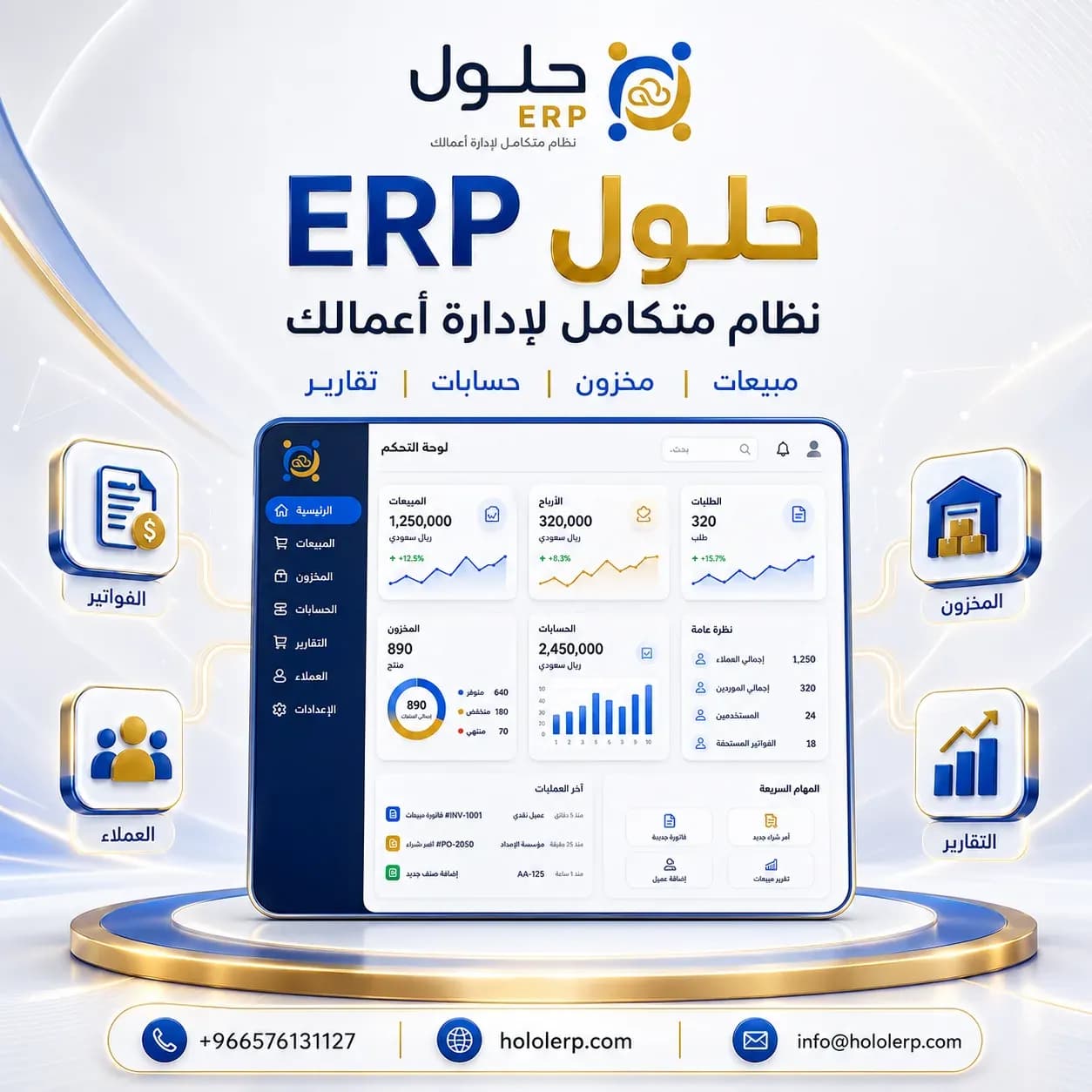
A Fully Integrated ERP System: Why Unified Platforms Beat Fragmented Tools
A fully integrated ERP connects departments, data, and decisions inside one platform instead of scattered tools.
Disconnected tools may look practical at first, but over time they create layers of complexity between sales, accounting, inventory, and HR. Every extra layer means more time spent reconciling data and more operational mistakes.
The key here is bringing the company’s core functions into one connected platform, which means the system must support a single source of truth, direct connectivity between departments, and more consistent operational and financial visibility. When these capabilities live inside one platform, the business moves from reactive follow-up to proactive management.
This level of integration reduces administrative complexity and gives the company more flexibility to scale, open branches, or add new business lines. A unified ERP is not just software. It is an operating backbone for long-term growth.